Frequently Asked Questions about Root Canal
If you are dealing with a painful and severely infected tooth, a root canal procedure may be the best option for relieving pain and restoring a damaged tooth. Knowing more about the treatment and the process involved can help in making an informed decision about the treatment. Here are some frequently asked questions about root canal that might help you.
What Is Root Canal Treatment?
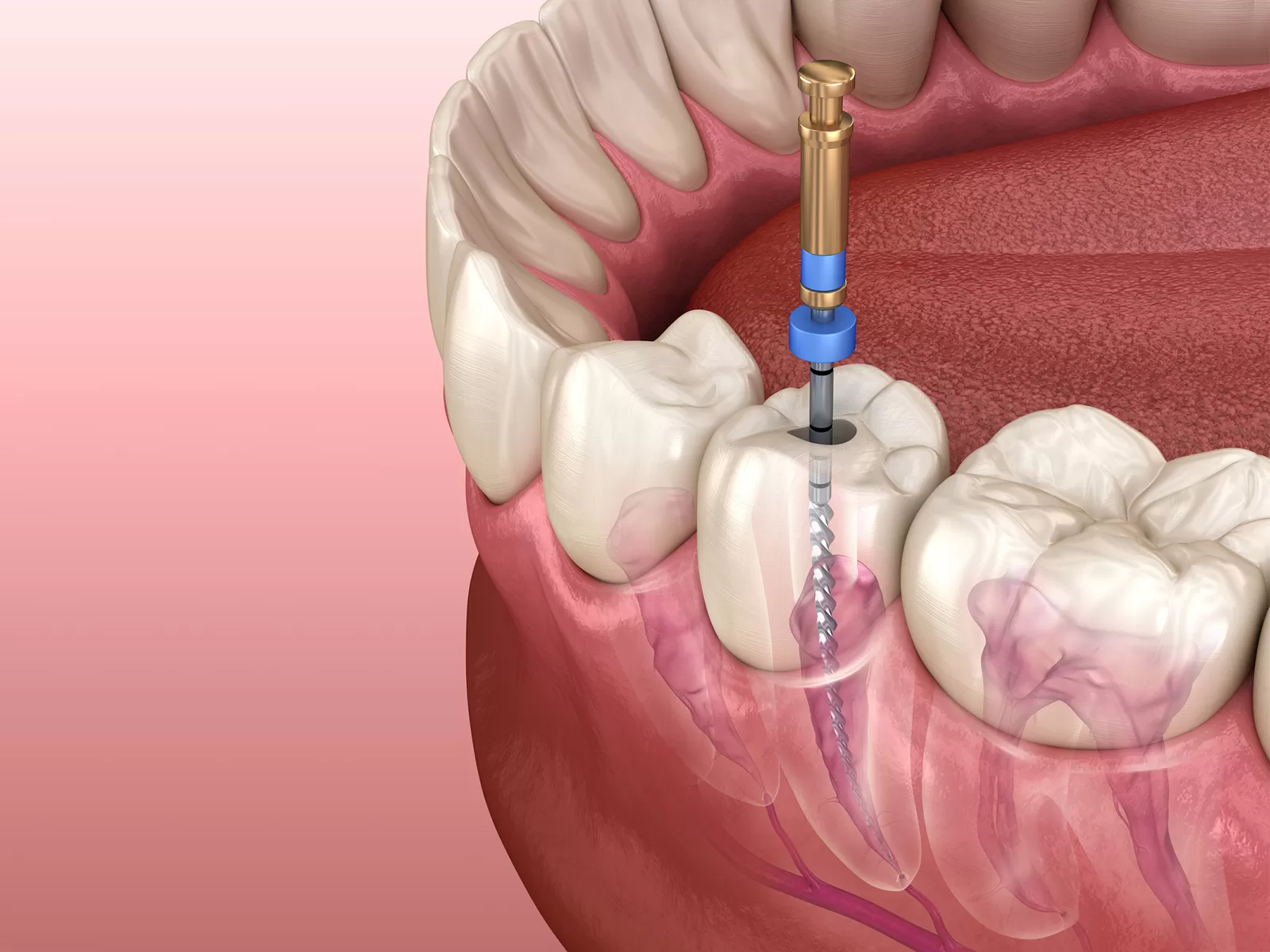
Root canal treatment is a dental procedure used to treat infection inside a tooth or below the surface of the tooth’s root. This procedure is performed in order to remove infected and damaged tissue and restore the tooth to its normal structure and function. The procedure involves removing the inner portion of the tooth, which includes the dental pulp and nerves, as well as cleaning and disinfecting the area.
Why Is Root Canal Necessary?
Root canal treatment is necessary when the pulp in the center of the tooth becomes infected due to decay or trauma to the tooth. This can usually cause severe pain, swelling, and other unpleasant symptoms. If the infection is not treated, the condition can lead to further complications and may even result in the loss of the tooth. Root canal therapy can prevent these issues by removing the infected pulp and relining the inside of the tooth.
What are the Benefits of Root Canal?
Root canal treatment can bring many benefits. It can relieve pain, save a severely damaged tooth, and help to prevent further complications from the infection. Other benefits include improved oral health, improved appearance, and a decreased risk of further decay or infection.
What is the Procedure Like?
The root canal procedure typically takes between one and two visits to the dentist. During the procedure, the dentist will make a small opening in the tooth and remove any damaged or infected tissue. The inside of the tooth is then cleaned, disinfected, and refilled with an inert material. The tooth may also be covered with a crown in order to protect it.
Are There Any Risks with Root Canal?
While root canal treatment is generally considered a safe procedure, there are some risks involved. These include the possibility of further infection or damage due to improper treatment, as well as pain and sensitivity after the procedure. It is important to discuss the risks with your dentist in order to make an informed decision about the treatment.
Are There Any Alternatives to Root Canal?
In some cases, root canal may not be the only option. If the infection is not severe, treatments such as antibiotics or a filling may be recommended. If the infection is more severe, a more extensive procedure such as an extraction may be necessary.
It is important to discuss your options with your dentist in order to determine the best treatment plan for your needs.
Conclusion
Root canal treatment is a safe and effective way to treat infected teeth and save severely damaged teeth. It is important to discuss the procedure and risks with your dentist in order to make an informed decision about the treatment.
If you have any additional questions or concerns regarding root canal, be sure to speak with your dentist. Root canal treatment is often viewed with fear and misunderstanding because of its reputation of being a painful procedure. However, when done correctly, it’s no more uncomfortable than having a filling done – and it can save a badly decayed or damaged tooth. Here are some of the most frequently asked questions about root canal treatment.
What is a root canal?
A root canal is a common endodontic procedure used to repair and save a severely decayed, injured or infected tooth. During this procedure, the affected tissue inside the tooth (or the root canal) is cleaned, disinfected and sealed. This can help to prevent a recurrence of infection, and can be done in one or more visits to the dentist.
Is a root canal painful?
No, contrary to what most people think, a root canal isn’t any more painful than having a filling done. Modern advances in dentistry and the use of anesthetics make any pain very minimal and tolerable.
What are the symptoms that may necessitate a root canal?
Persistent tooth pain, swelling in the gums, and sensitivity to hot or cold stimuli are all signs that you may need to have a root canal. An infected tooth can also cause darkening of the tooth and lingering bad breath. If you experience any of these symptoms, you should see your dentist right away.
How much does a root canal cost?
The cost of a professional root canal procedure will vary depending on the complexity of the treatment and whether it requires a specialist. Usually, a root canal is more expensive than a filling, but it can still save you money in the long run, by saving a damaged or decayed tooth.
When should a dental professional be consulted?
If you experience any of the aforementioned symptoms, you should schedule an appointment with your dentist as soon as possible. In some cases, tooth pain can be relieved with antibacterial rinses, OTC medication, and other treatments. However, if the pain persists, root canal treatment may be necessary to prevent further damage or infection.
Root canal treatment can be a scary process, but it can save a badly decayed or damaged tooth. If you have any questions or concerns about the treatment, talk to your dentist or endodontist in order to weigh up the benefits of the procedure.