Frequently asked questions about Radiology
What is Radiology?
Radiology is the medical discipline that uses imaging technology to diagnose, monitor, and treat diseases within the human body. It is one of the most important medical disciplines in the world, allowing physicians to accurately diagnose diseases with the help of imaging tests such as X-rays, CT scans, and other forms of imaging.
What types of imaging do radiologists use?
Radiologists use a wide variety of imaging technologies in their practice, including:
-
- X-rays – An X-ray is the most common imaging test used in radiology. X-rays are typically used to diagnose diseases such as fractures, heart disease, and other illnesses.
- CT scans – A CT scan uses special X-ray equipment to create detailed pictures of the body’s organs and tissues.
- Ultrasound – Ultrasound is a type of imaging technology that uses sound waves to create images of the inside of the body.
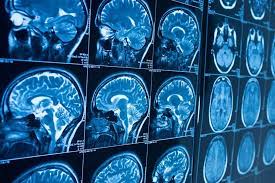
- MRI – MRI (Magnetic Resonance Imaging) is an imaging technique that uses magnetic fields and radio waves to create detailed pictures of the body’s internal organs.
What can radiologists diagnose?
Radiologists are highly trained physicians who have the expertise to diagnose a variety of diseases and medical conditions with the help of imaging tests. Some of the diseases and conditions they can diagnose include:
-
- Heart disease, such as blockages and tears in the heart’s vessels
- Cancer, such as tumors, metastases, and other abnormal growths
- Injuries such as fractures, tears, sprains, and dislocations
- Brain and nerve disorders, such as strokes and multiple sclerosis
- Lung diseases, such asEmphysema, Asthma, and pneumonia
- Infectious diseases, such as HIV/AIDS, hepatitis, and Lyme disease
What type of training do radiologists need?
In order to become a certified radiologist, one needs to undergo extensive training and education. Typically, this includes a 4-year undergraduate program and a 4 to 5 year post-graduate medical education program, followed by board certification in radiology. The board certification is essential in order to practice medicine in the United States. Additionally, radiologists are required to be licensed by the state in which they practice. Frequently Asked Questions About Radiology
Radiology is a specialized branch of medicine that focuses on imaging technology. It is an incredibly important part of diagnosing and treating a variety of medical conditions, from cancer to broken bones. But despite its importance, there are still many questions about what radiology involves and how it works. To help answer these questions, we’ve compiled a list of some of the most common questions on radiology.
What is radiology?
Radiology is the medical specialty that uses imaging technology to diagnose and treat medical conditions. Radiology encompasses both diagnostic radiology and interventional radiology. Diagnostic radiology involves using imaging technology such as X-rays and CT scans to diagnose medical conditions. Interventional radiology focuses on the use of minimally invasive procedures and treatments, such as the insertion of stents or the removal of tumors.
Who can perform radiology procedures?
Radiology procedures are typically performed by board-certified radiologists. These medical professionals have received specialized training and completed residencies in radiology, and they are well-qualified to interpret medical images and perform procedures safely.
What types of imaging technologies are used in radiology?
The most common types of imaging used in radiology are x-rays, CT scans, MRIs, and ultrasounds. X-rays involve the use of a low-dose of radiation to create two-dimensional images of the body’s anatomy. CT scans use a series of x-rays to create a three-dimensional image of tissue. MRIs use radio waves and a strong magnetic field to produce detailed images of organs and soft tissue, while ultrasounds use sound waves to create images of organs and tissues.
What are the benefits of radiology?
Radiology plays an incredibly important role in the diagnosis and treatment of a variety of medical conditions. Thanks to imaging technology, doctors can get a detailed look inside the body without having to operate. This means that they can diagnose and treat medical conditions quickly and accurately, allowing patients to begin treatment faster. In addition, imaging technology such as X-rays and CT scans can provide doctors with invaluable data to help them make better decisions about a patient’s treatment.
Are there risks associated with radiology?
Although radiology is incredibly important for diagnosing and treating medical conditions, there are also potential risks associated with its use. X-rays and CT scans are exposed to low levels of radiation, which may increase the risk of cancer. In addition, some imaging technologies can create strong magnetic fields, which can interfere with certain medical implants, such as pacemakers. However, these risks are usually outweighed by the benefits of radiology and the medical professionals performing the procedures take steps to minimize these risks.
Radiology is an incredibly important tool in the diagnosis and treatment of medical conditions. Its use can provide doctors with invaluable data to help make informed decisions about a patient’s care. If you have any additional questions about radiology, make sure to speak to your doctor or a qualified radiologist.