Frequently Asked Questions about Nail Fungus Care
What is Nail Fungus?
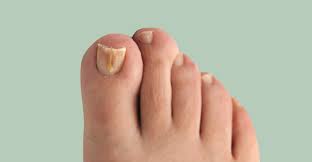
Nail Fungus is a fungal infection that occurs in the nails, most commonly on the toenails. Nail Fungus usually results in discoloration of the nail, thickening of the nail, and crumbling edges of the nail.
What Causes Nail Fungus?
Nail fungus is caused by a variety of fungi, including dermatophytes and yeasts. Common causes of nail fungus include humid climates, wet socks, sweaty feet, foot injuries, and going barefoot in public places.
How Do I Treat Nail Fungus?
Treatment for nail fungus usually involves topical antifungal creams, nail lacquers, or oral antifungal medications. It is important to follow the instructions of your doctor and use the medication as prescribed.
What else Can I Do To Prevent Nail Fungus?
There are several steps you can take to prevent nail fungus:
-
- Keep your feet clean and dry. Wash your feet regularly and dry between the toes. Change your socks daily.
-
- Wear appropriate footwear. Wear shoes that fit well and let your feet breathe. Avoid going barefoot, especially in public places such as showers or swimming pools.
-
- Avoid nail injury. Try to avoid trauma or injury to your nails, and don’t bite or pick at your nails.
-
- Treat athlete’s foot. If you have athlete’s foot, it is important to treat it promptly to avoid spreading the infection to the nails.
By following these steps and using medication as prescribed, you can reduce the risk of developing nail fungus.
Summary
Nail fungus is a common fungal infection that can cause discoloration, thickening, and crumbling of the nails. Treatment can involve antifungal creams, nail lacquers, or oral antifungal medications. To reduce your risk of nail fungus, it is important to keep your feet clean and dry and wear appropriate footwear. Do you have questions about how to care for nail fungus? Nail fungus is a common problem that affects millions of people worldwide. It is important to understand how to identify and treat nail fungus in order to keep it from getting worse. Here are some frequently asked questions about nail fungus care.
What is nail fungus?
Nail fungus is a type of fungal infection that affects the nails on both the fingers and toes, although it is more common on the toes. It is caused by a variety of fungi that thrive in moist and warm environments, such as showers and swimming pools. Nail fungus can lead to discolored, brittle, and thick nails, and in some cases, they may even become crumbly and fall off.
What are the symptoms of nail fungus?
The most common symptoms of nail fungus include discoloration of the nails, usually a yellow-brown color. The nails may also become thick and brittle, and some people may experience pain and discomfort around the nail bed. In severe cases, the nail may crumble and easily break off.
How do I know if I have nail fungus?
If you notice discoloration and thickening of your nails, it is important to see a doctor if the symptoms persist. Your doctor can diagnose the condition based on a physical exam and may ask for a sample of the affected nail for confirmation.
How is nail fungus treated?
Nail fungus can be treated with antifungal medications, both systemic and topical. Systemic medications are taken orally, while topical medications are applied directly to the affected nail. Your doctor may also recommend that you wear breathable shoes and keep your feet dry to help prevent the spread of the fungus. Additionally, some people find that home remedies can be effective in treating nail fungus, such as applying tea tree oil or vinegar directly to the affected nail.
Can I prevent nail fungus?
To prevent nail fungus, it is important to keep your feet dry and wear breathable shoes. It is also important to keep your nails well-trimmed and clean and to avoid wearing artificial nails or having your nails done in a salon. Additionally, it is important to keep your feet away from areas where the fungus can thrive, such as showers and swimming pools.
Nail fungus can be an uncomfortable and embarrassing condition, but with the right treatment and preventive measures, you can keep it from getting worse. By following the tips above, you can help keep your nails healthy and fungus-free.