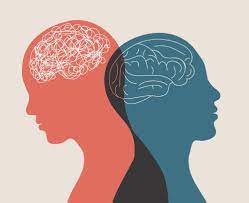
Mental Health Disorders
Mental health Disorders are a wide range of disorders that affect both the mind and emotions. It is important to note that mental health disorders are not the same as physical illnesses.
Frequently Asked Questions About Mental Health Disorders
1. What are Mental Health Disorders?
Mental health disorders are disorders that affect a person’s thinking, feeling, mood, and behavior. They may be caused by a combination of biological, psychological, and environmental factors.
2. Is there a cure for Mental Health Disorders?
While there is no cure for mental health disorders, there are effective treatments available. Treatment options include cognitive-behavioral therapy (CBT), psychotherapy, and medications.
3. What are the symptoms of Mental Health Disorders?
The symptoms of mental health disorders vary from person to person. Common symptoms include changes in mood, difficulty with concentration and decision-making, and feelings of hopelessness.
4. Are Mental Health Disorders genetic?
Mental health disorders can be inherited, but it’s not a given that a person will develop one if a family member has it. In some cases, psychological and environmental factors can also contribute to the development of a disorder.
5. Is it possible to prevent Mental Health Disorders?
While it is not possible to completely prevent mental health disorders, there are steps that can be taken to reduce the risk. These include getting regular exercise, spending time with friends and family, and seeking professional help if needed.
6. What should I do if I think I have a Mental Health Disorder?
If you think you may have a mental health disorder, it’s important to seek help right away. You can start by consulting with your primary care physician, or by seeking help from a mental health professional. Mental health disorders are becoming increasingly common, with estimates suggesting that one in every four people will experience a mental health problem at some point in their life. Despite this, people are often unsure of how to recognize, understand and cope with mental health issues. To help demystify this frequently misunderstood subject, here are some answers to frequently asked questions about mental health disorders.
What is a mental health disorder?
A mental health disorder is a medical condition that affects a person’s thoughts, emotions, and behaviors. Common mental health disorders include depression, anxiety, bipolar disorder, post-traumatic stress disorder (PTSD), obsessive-compulsive disorder (OCD), and schizophrenia.
What are the symptoms of mental health disorders?
The symptoms of mental health disorders can vary depending on the type of disorder and the individual. Symptoms can include feelings of despair, sadness, anxiety, fatigue, changes in appetite, sleep issues, poor concentration, and social avoidance.
Who is at risk of developing a mental health disorder?
Anyone is at risk of developing a mental health disorder. People may be at an increased risk if they have faced a traumatic event, have a family history of mental illness, or suffer from chronic or severe physical illness or substance abuse.
How is a mental health disorder diagnosed?
A mental health disorder is usually diagnosed by a trained mental health professional, such as a psychiatrist, psychologist, or social worker. During the assessment, the clinician may conduct a physical examination, psychological testing, or both.
What treatments are available for mental health disorders?
The most common treatments for mental health disorders are psychotherapy and medication. Psychotherapy, also known as talk therapy, involves talking with a trained professional about feelings, thoughts, and behaviors to gain insight and better understand and manage mental health issues. Medication can help manage symptoms, such as depression, anxiety, and mania. Depending on the disorder, a combination of treatments may be recommended.
Where can I go for help with a mental health disorder?
Mental health services are available at many hospitals, mental health clinics, and doctor’s offices. Your primary care physician may also be able to provide assistance or referrals to a qualified mental health professional. Additionally, there are national organizations that provide resources and support for people with mental health disorders, such as the National Alliance on Mental Illness (NAMI).
Mental health disorders can be confusing and daunting, but help and support are available. Knowing how to recognize, understand, and manage mental health issues is key to successful long-term outcomes. If you or a loved one is struggling with mental health issues, reach out for help.
END OF THE ARTICLE