Frequently Asked Questions about Cracked Heel Care
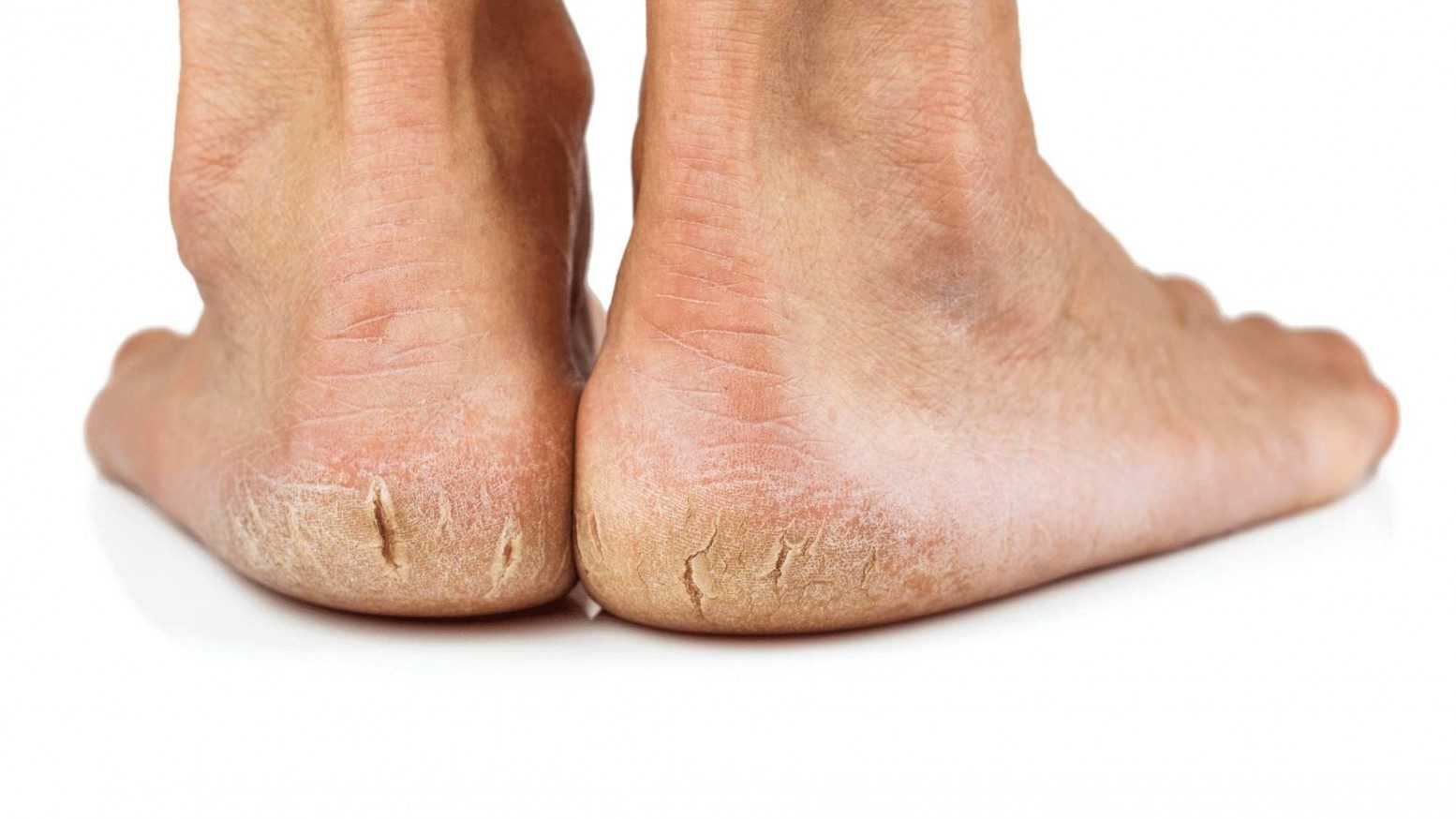
Cracked heels are not only unsightly, but also painful and can be difficult to treat. Here are some frequently asked questions about cracked heel care.
What are the causes of cracked heels?
The most common causes of cracked heels are dry skin, lack of moisture and pressure on the skin. Other causes can include deficiency of certain vitamins, environmental conditions, and certain diseases like diabetes that can cause a decrease in circulation of blood to the feet.
What are the best treatments for cracked heels?
The best treatments for cracked heels are:
-
- Exfoliation: Exfoliating the skin helps get rid of the dead cells which can help reduce the appearance of the cracks.
-
- Moisturizing: Using rich moisturizers helps to improve the moisture levels and elasticity of the skin on the feet, which can help reduce cracks.
-
- Wearing Properly Fitted Shoes: Wearing shoes that are properly fitted can help reduce pressure on the feet, which can help reduce the chances of cracking.
-
- Using Spa Treatments: Spa treatments such as foot masks and massages can improve circulation and increase moisture levels to help reduce cracked heels.
Are there any home remedies for cracked heels?
Yes, there are several home remedies that can help reduce cracked heels. These include:
-
- Soaking and Moisturizing: Soaking your feet in warm water for 10-15 minutes and then applying a rich moisturizing cream or a cream containing shea butter can help to keep your feet hydrated and reduce the appearance of cracks.
-
- Glycerin and Lemon Juice: Mixing together a few drops of glycerin and some fresh lemon juice and then applying it on your feet can help to exfoliate and moisturize the skin and reduce cracked heels.
-
- Banana: Applying a mashed banana on your feet for several minutes can help to hydrate and nourish the skin and reduce cracked heels.
Are there any prevention methods?
Yes, there are some prevention methods that can reduce the risk of cracked heels. These include:
-
- Drinking Plenty of Water: Staying hydrated helps to keep the skin on your feet moisturized which can help reduce the risk of cracking.
-
- Regular exfoliation: Exfoliating the skin on your feet helps to keep it free of dead skin cells that can cause cracking.
-
- Wear Proper Footwear: Wearing shoes that fit properly can reduce pressure on the feet and help to prevent cracks.
-
- Moisturize Regularly: Applying a good moisturizer at least twice a day will help to keep the skin on the feet hydrated.
Cracked heels are a common problem faced by many adults, and their treatment can often be a source of confusion for those who suffer from them. In this article, we will answer some of the most frequently asked questions about cracked heel care.
Q: What causes cracked heels?
A: Cracked heels are often caused by an excessive buildup of dead skin cells on the feet, which can form patches of thick, dry skin. Other causes can include underlying medical conditions, such as diabetes or an immune system disorder, as well as factors such as weather, improper footwear, and not moisturising enough.
Q: How can I prevent cracked heels?
A: The first step in preventing cracked heels is to keep the skin on your feet well-hydrated. Regularly applying a quality moisturiser to your feet after showers and baths is essential, as this helps to prevent dry skin. Additionally, try to avoid wearing open-toe shoes and sandals, as these can aggravate the area by lessening the amount of skin coverage and protection from friction.
Q: How can I treat cracked heels?
A: The best way to treat cracked heels is to apply a moisturiser to the affected area several times a day. Additionally, soaking your feet in warm water for a few minutes several times a week can help to soften the skin and make it more pliable, allowing for easier moisturising. It is also important to file away any thick layers of skin with an emery board to reduce the risk of the cracks getting worse.
Q: What should I avoid when caring for cracked heels?
A: It is important to avoid using harsh over-the-counter skin care products, such as medicated ointments and creams, as these can lead to further skin irritation. In addition, scrubbing the skin too hard when exfoliating can worsen the problem. Instead, use a gentle exfoliating scrub formulated specifically for the feet.
Q: Are there any alternatives to treating cracked heels?
A: Yes, laser treatments are becoming an increasingly popular option for those looking to treat cracked heels without resorting to traditional medical treatments. Laser treatments are relatively pain-free, and can provide long-term relief from the problem. However, this should be discussed with a medical professional before pursuing it.
By understanding the cause of cracked heels and the treatments available, individuals can be proactive in managing the problem and taking steps to prevent it from occurring in the future. If the problem persists, it may be wise to seek medical advice to determine the best course of action.