Frequently asked questions about Active Acne
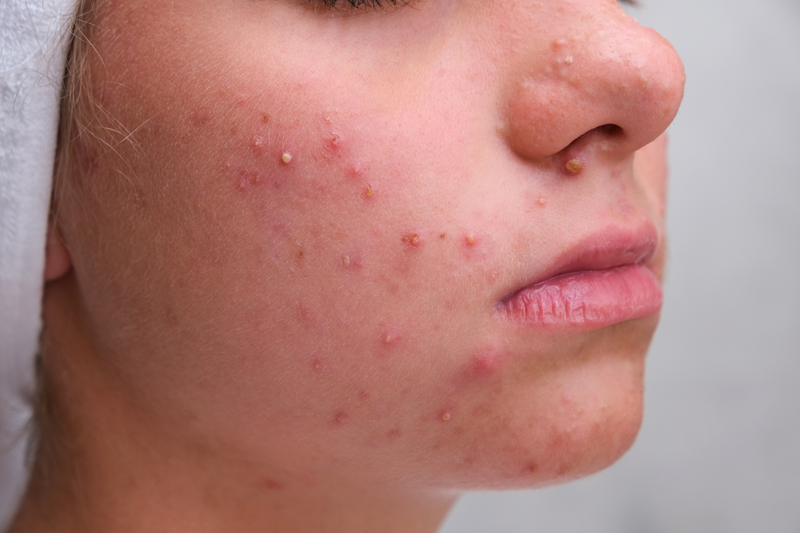
Active acne is a type of skin condition. It involves the development of comedones (whiteheads, blackheads), papules, pustules, nodules, and cysts. Active acne can range from mild to severe.
What causes active acne?
Active acne can be caused by a combination of factors, including genetics, hormones, stress, lifestyle, and skin care products. The most common cause of active acne is an overproduction of sebum (skin oil) due to hormonal changes.
How can I treat active acne?
The best way to treat active acne is to use a combination of topical treatments and oral medications. Here are some of the most commonly used treatments for active acne:
-
- Topical treatments: These include topicals like benzoyl peroxide, salicylic acid, retinoids, and antibiotics.
-
- Oral medications: These include antibiotics, hormonal medications, and oral retinoids.
-
- Lifestyle and skin care changes: Reducing stress, eating a healthy diet, avoiding certain foods that are known triggers, and using appropriate skin care products can also help manage active acne.
How can I prevent active acne?
The best way to prevent active acne is to practice good skin care habits. Here are some tips for preventing active acne:
-
- Wash your face twice a day with a mild cleanser.
-
- Moisturize your skin with an oil-free moisturizer that won’t clog your pores.
-
- Protect your skin from the sun with an SPF of at least 30.
-
- Avoid using overly harsh skin care products or using excessive scrubbing motions when cleaning your face.
-
- Frequently changing or washing your pillowcase and avoiding over rubbing your face with your hands can also help in preventing active acne.
-
- Eat a healthy diet and lower your stress levels.
-
- Keep your hair away from your face.
Conclusion
Active acne can be frustrating and embarrassing, but there are ways to treat and prevent it. With the right treatments and lifestyle changes, you can reduce the severity of your active acne and bring your skin back to health. Active acne is a common skin condition that occurs when the pores on the skin become clogged with oil and dead skin cells. Acne can cause whiteheads, blackheads, and pimples. While acne can be a symptom of a deeper medical condition, it usually resolves on its own with proper home care and medical treatments.
To help you better understand this skin condition, here are some of the most frequently asked questions about active acne:
1. What causes active acne?
Active acne is caused by a variety of factors, such as hormones, genetics, diet, stress, and skincare products. In particular, hormones cause the skin to produce more oil, which can increase clogged pores and lead to active acne. Other factors such as genetics, diet, stress, and skincare products can further irritate and inflame the skin, leading to an increase in acne.
2. How can I prevent active acne?
Preventing active acne is possible with the right preventative measures. Start by washing your face twice a day with a gentle cleanser to remove excess oil, dirt, and bacteria. After cleansing, apply a medicated lotion or ointment to help reduce the spread of bacteria. Avoid wearing makeup or other skincare products that clog pores, such as heavy foundations and creams. Eating a balanced diet, getting enough sleep, and limiting stress can also help.
3. What are the different types of active acne?
Active acne can be classified into three different types: whiteheads, blackheads, and papules. Whiteheads are small bumps that are slightly raised, with a white center and a yellowish hue around the edges. Blackheads are larger bumps with a black dot in the center and can be red, yellow, or black in color. Papules are hard, inflamed lesions that can be red or pink.
4. How can I treat active acne?
Treating active acne can take several forms. Home remedies such as using over-the-counter acne medications, applying tea tree oil, and applying honey and lemon juice to the face can help reduce the appearance of acne. Additionally, prescription medications and topical creams are available that can help clear up active acne. In severe cases, treatments such as laser therapy, chemical peels, and phototherapy may be necessary.
If you are suffering from active acne, it is important to seek medical advice from a healthcare professional to determine the best course of treatment. With the proper diagnosis, treatment, and preventative measures, active acne can be managed.