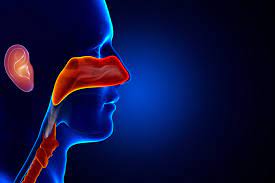
What is Otorhinolaryngology?
Otorhinolaryngology (also called otolaryngology) is the medical specialty that specializes in diagnosing, treating and managing diseases and disorders of the ear, nose, and throat (ENT). ENT physicians (“Otolaryngologists”) also have expertise in managing head and neck disorders including related speech, language and swallowing problems.
Frequently Asked Questions about Otorhinolaryngology
What treatments are offered?
Otolaryngologists offer many treatments for diseases and disorders of the ear, nose, and throat, including:
-
- Pharmacologic treatments, including medications and prescriptions
-
- Surgical treatments, including endoscopic surgery and reconstructive surgery
-
- Hearing aids, implants and other devices for hearing loss and other related disorders
Who should consider seeing an Otolaryngologist?
People may benefit from seeing an otolaryngologist for a variety of conditions and symptoms. These include:
-
- Ear issues, including hearing loss, ear infections, ear ringing or buzzing, balance or dizziness problems
- Nose and sinus issues, including breathing problems or allergies
- Throat issues, including hoarseness, voice problems or sore throat
- Head and neck issues, including tumors or cancer
What should I expect from an Otolaryngology appointment?
During an otolaryngology appointment, the physician will review your medical history and perform a physical examination. Depending on your condition and symptoms, the doctor may recommend tests or additional procedures.
Are there any complications from ENT treatments?
As with any medical procedure, there are potential risks associated with any ENT treatment. It is important that you understand these risks and discuss them with your physician prior to undergoing any procedure. Otorhinolaryngology (ORL) is a branch of medicine that deals with diseases and disorders of the ear, nose, and throat, as well as the head and neck. ORL specialists are uniquely trained and have extensive experience in diagnosing and treating ailments related to these areas. To provide a better understanding of ORL, here are answers to some frequently asked questions about it:
1. What does an ORL specialist treat?
ORL specialists treat a wide range of diseases and conditions related to the ears, nose, and throat, as well as head and neck area. This includes sinusitis, allergies, hearing loss, ear infections, snoring, laryngitis, sleep apnea, and facial trauma.
2. What tests and procedures are typically done?
Procedures and tests done in ORL vary greatly and depend on the condition being treated. Common tests and procedures include audiograms, MRI scans, endoscopy, and sleep studies. ORL specialists may also perform surgical or nonsurgical treatments, such as tonsillectomies or implantations.
3. How is an ORL specialist different from an ENT?
An ORL specialist is a physician with specialized training in otolaryngology (ear, nose, and throat). An ENT is an acronym for “ear, nose, and throat specialist” and can refer to any doctor who specializes in the diagnosis and treatment of conditions related to the ear, nose, and throat.
4. How can ORL help with hearing loss?
ORL specialists specialize in the diagnosis and treatment of hearing loss. Treatments can include fitting hearing aids and cochlear implants, as well as developing strategies for communication and rehabilitation.
5. What should I expect from an ORL appointment?
During an ORL appointment, specialists typically begin by obtaining a detailed medical history. After that, a physical examination of the ears, nose, and throat is usually done. The specialist may also order tests or scans to aid with diagnosis and treatment. After the tests are completed, the ORL specialist will discuss treatment options with the patient.
ORL is a complex and specialized field of medicine. To ensure you receive the best treatment and care possible, it is best to consult with an ORL specialist with expertise in the field. With their help, you can be sure to receive quality and effective treatment for any issues related to the ears, nose, and throat.