Frequently Asked Questions about Medical Genetics
What is Medical Genetics?
Medical Genetics is the study of how genetic factors affect human health. It involves diagnosing, preventing, and treating inherited diseases. It also looks at the impact of genetic variation on the development and progression of various diseases.
How is Medical Genetics Used?
Medical Genetics is used in a variety of ways, such as:
-
- Diagnosis: Medical Genetics is used to diagnose genetic disorders, such as cystic fibrosis, sickle cell anemia, and Down syndrome.
-
- Predictive medicine: Medical Genetics can be used to predict the risk of an individual developing certain diseases, such as cancer.
-
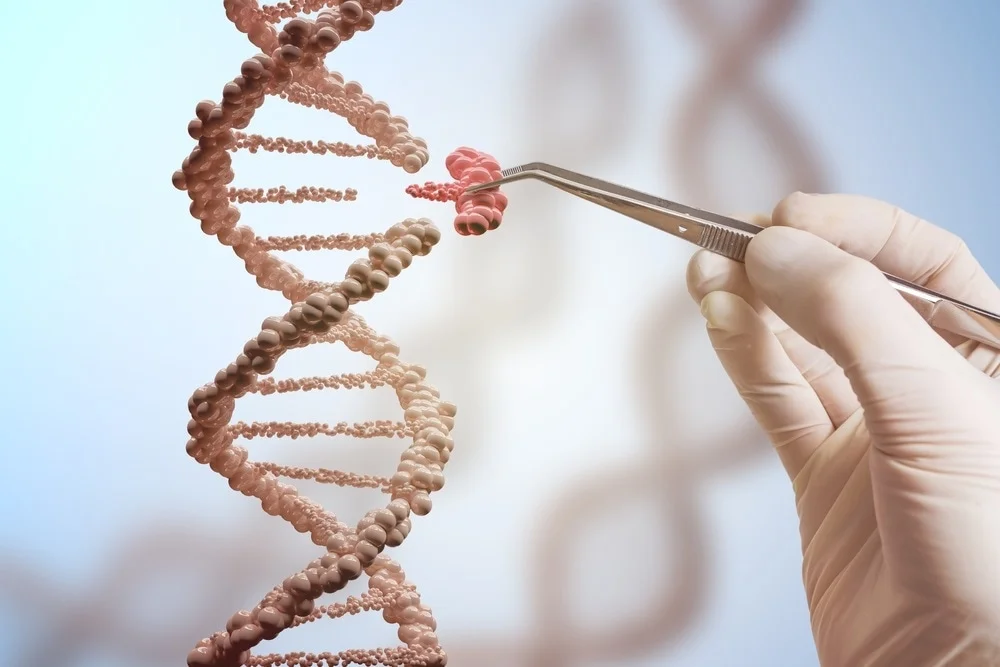
- Gene therapy: Medical Genetics can be used to replace damaged genes with healthy ones, in order to treat genetic disorders.
-
- Pharmacogenetics: Medical Genetics is used to identify genetic factors that influence the effectiveness of drugs.
What is Genomics?
Genomics is the study of the entire set of genes in a person, organism, or species. It involves mapping and sequencing the entire genome, in order to better understand genetic variation and its effects on health. Genomics is useful in predicting and preventing disease.
What is Genetic Counseling?
Genetic counseling is the process of providing information and support to individuals and families who have an increased risk of developing certain inherited conditions. Genetic counselors provide families with information about their risks, help them understand available testing options, and guide them in making decisions about their health care. Medical genetics is a complex field that has been constantly evolving due to advances in scientific understanding. Even with this increasing knowledge, there are still many questions people have in regards to the role of medical genetics in health and disease. In this article, we will provide answers to some of the most frequently asked questions about medical genetics.
What is medical genetics?
Medical genetics is the specialty area of medicine that deals with the study of genes, genetic variation, and its effects on health and disease. It has applications in many areas in medicine, such as diagnostics, prognostics, and treatment of genetic disorders.
What are some common genetic disorders?
There are many different genetic disorders, but some of the most common ones include: cystic fibrosis, Huntington’s disease, muscular dystrophy, Alzheimer’s disease, and sickle cell anemia.
What is a genetic test?
A genetic test is a laboratory procedure used to evaluate the genetic makeup of a person for the purpose of determining the possibility of inherited disorders. Genetic tests can check for the presence or absence of certain mutated genes and can be used to diagnose, manage, or predict the risk of developing a genetic disorder.
What is genetic counseling?
Genetic counseling is the process of providing information and support to individuals who have or are at risk for inherited disorders. Genetic counselors are trained to provide information about the nature of genetic conditions and their associated risks, as well as to assist individuals in making informed decisions about medical care, family planning, and other lifestyle choices.
Are genetic tests always accurate?
No, genetic tests are not always accurate. Many tests have a certain amount of inaccuracy due to errors in the laboratory or mistakes in interpreting the results. In addition, some tests are limited in their ability to detect certain variations of a gene, which can lead to false negative results. Therefore, it is important to discuss the test results with a genetic counselor or healthcare provider before making any major decisions regarding health care.
We hope this information has shed some light on the field of medical genetics and answered some of your questions about this complex area of medicine. If you have any other questions or concerns, please consult with a qualified healthcare provider or a genetic counselor.